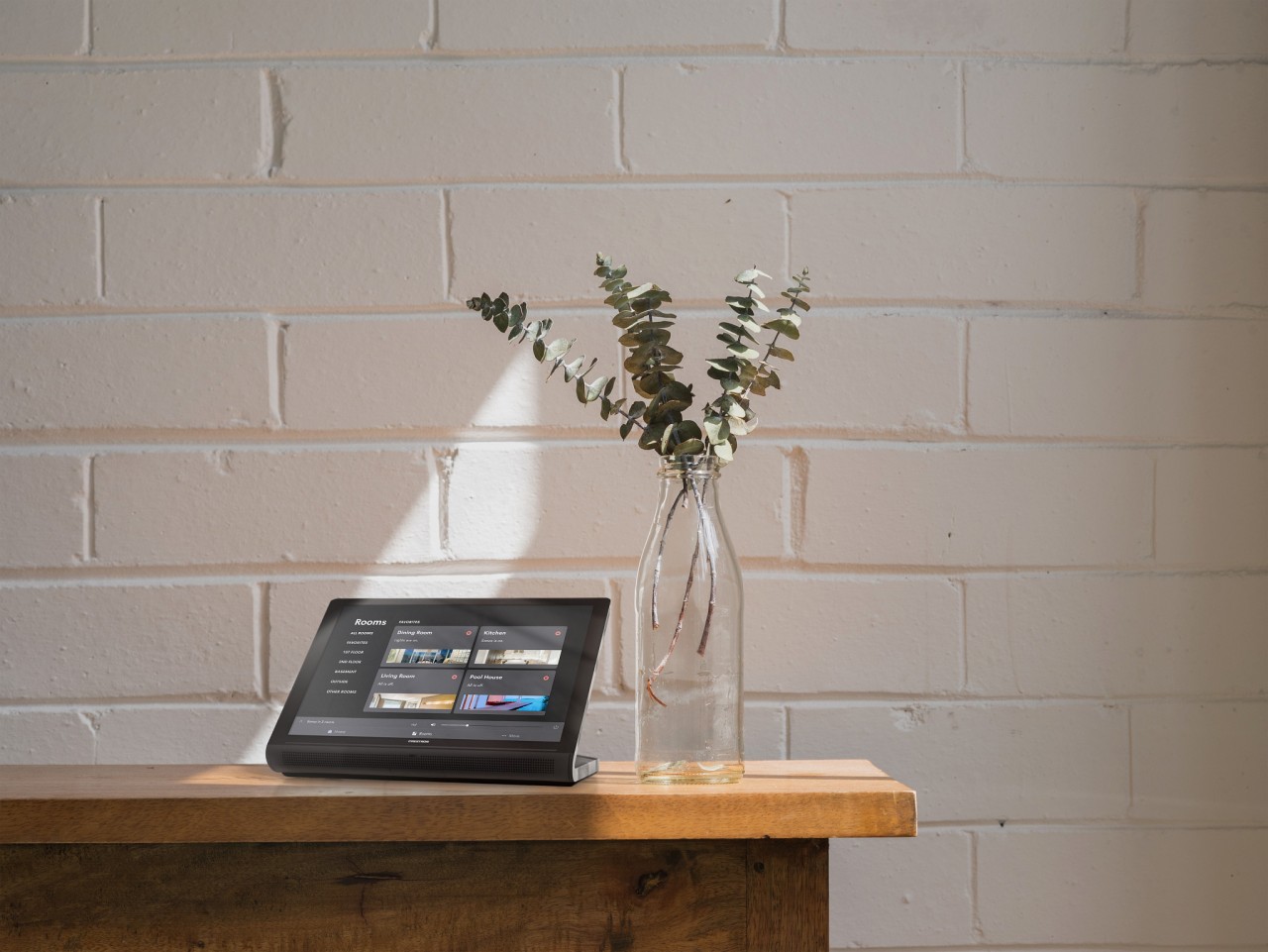
A lighting control system replaces individual light switches and dimmers with a connected setup that lets you control every light in the house from an app, wall keypad, or voice command — individually or in coordinated groups called "scenes." The real value isn't turning lights on remotely; it's setting up lighting once, the way you actually want it, and having it repeat reliably without walking around adjusting six different switches.
Scenes: The Feature Most People Actually Want
A scene is a saved combination of lighting levels across multiple rooms or fixtures, triggered with one command instead of adjusting each light individually. A "movie night" scene might dim the living room to 20 percent, turn off the kitchen lights entirely, and bring up a soft glow in the hallway — all from pressing one button or saying one phrase. This is the feature that tends to sell people on lighting control once they've actually used it, because it replaces a multi-step routine with a single action.
Scheduling: Lighting That Works Without You
Scheduled lighting can turn porch and pathway lights on at sunset and off at sunrise automatically, adjusting the actual time daily rather than relying on a fixed clock schedule that drifts out of sync with the season. Interior lights can be scheduled to give the appearance of an occupied home while traveling, using randomized timing rather than the exact same lights turning on at the exact same minute every night, which is a more convincing pattern.
Dimming: More Than Just Lower Brightness
Proper dimming does more than reduce a light's intensity — quality dimmers (like Lutron's) are engineered to dim smoothly across the full range without the flickering or buzzing that cheaper dimmers can cause, especially with LED bulbs, which are more sensitive to dimmer compatibility than older incandescent bulbs. This is a common source of frustration in DIY lighting upgrades: a dimmer that isn't matched properly to LED fixtures can cause visible flicker or a limited, uneven dimming range.
Keypads vs. Apps vs. Voice: Picking the Right Control for Each Room
The most effective lighting systems don't rely on a single control method everywhere. Wall keypads work best in main rooms where guests and every household member need simple, reliable access without opening an app. Apps are useful for full-house control, adjusting scenes remotely, or checking whether lights were left on. Voice control fits well for quick, single-room adjustments — "dim the living room" — but isn't always practical for coordinating a full multi-room scene.