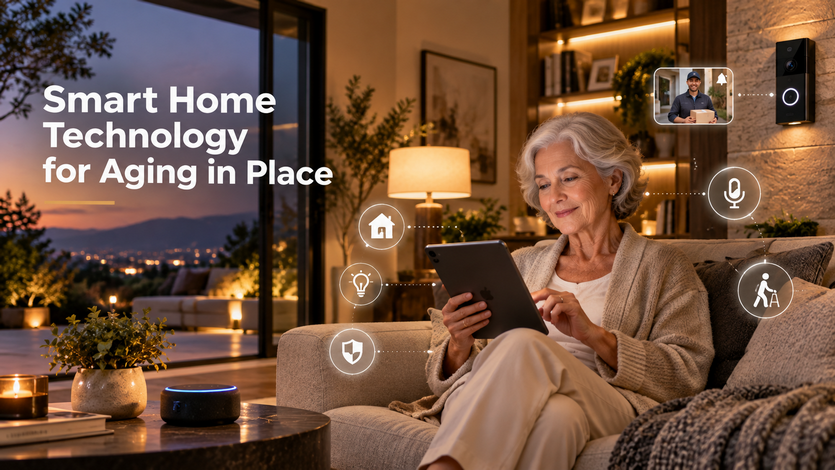
Smart home technology can support aging in place by reducing physical tasks that become harder over time — reaching light switches, checking who's at the door, remembering medication schedules — through voice control, automated lighting, and remote monitoring that family members can check in on. None of it replaces caregiving, but it can reduce daily friction and give family members added visibility without being physically present.
Voice Control: Removing the Need to Reach or Navigate
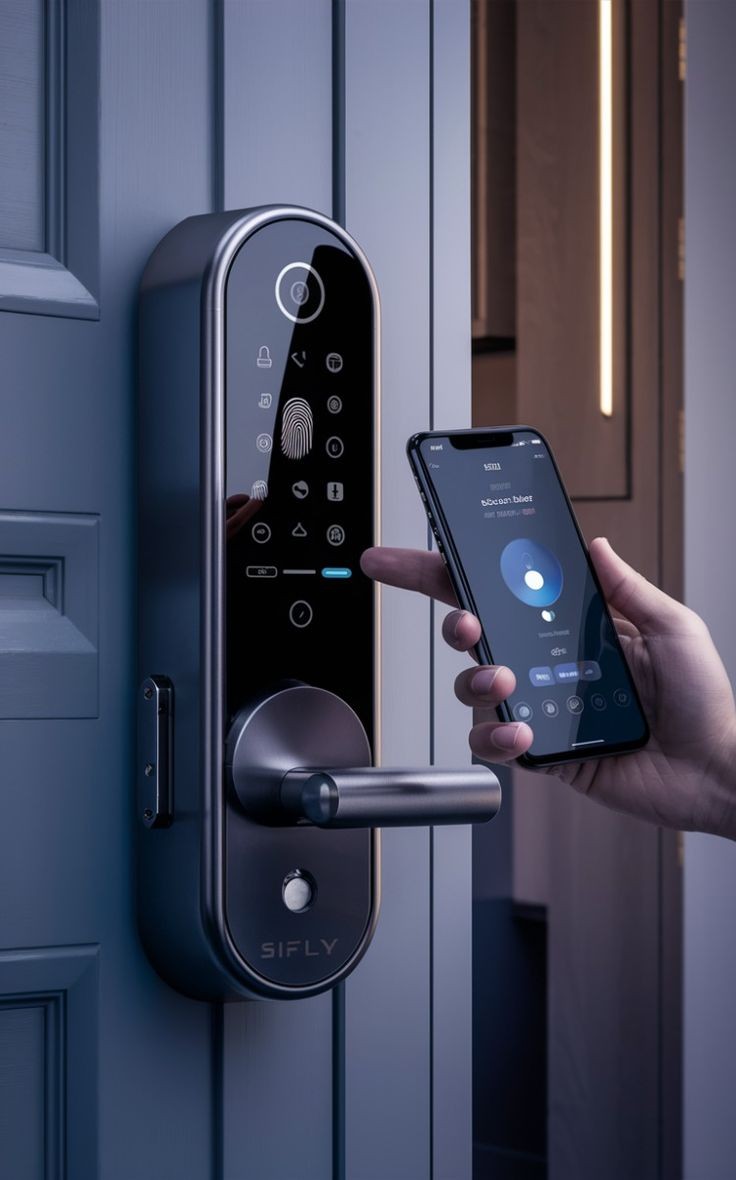
Voice-controlled lighting, thermostats, and locks reduce the need to get up, reach a wall switch, or navigate a smartphone app — all of which can become more difficult with mobility or vision changes. A simple voice command to turn on a light, lock a door, or check the weather removes several small physical steps that add up over the course of a day.
Lighting: Automatic Paths, Not Just Convenience
Motion-activated lighting along hallways, stairs, and bathrooms — turning on automatically rather than requiring someone to find a switch in the dark — addresses one of the more common fall risks in a home: navigating a dark space at night. Scheduled or automatic lighting also reduces the need to remember to turn lights on and off throughout the day, which can be a small but real source of frustration.
Video Doorbells and Cameras: Seeing Without Answering
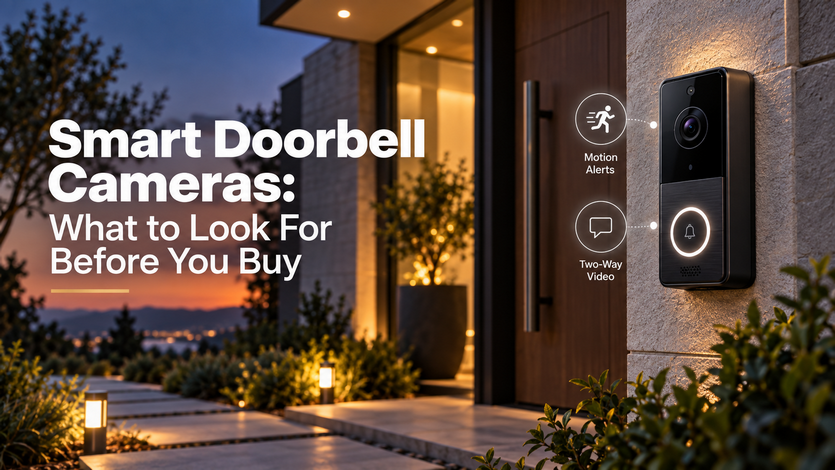
A video doorbell lets someone see and speak to a visitor without walking to the door or navigating stairs, which matters both for convenience and for screening unfamiliar visitors. For family members who live elsewhere, camera access (with the resident's knowledge and consent) can provide reassurance that a parent or relative is moving around normally, without requiring a daily phone call to confirm.
Remote Monitoring: What Family Members Can Actually See
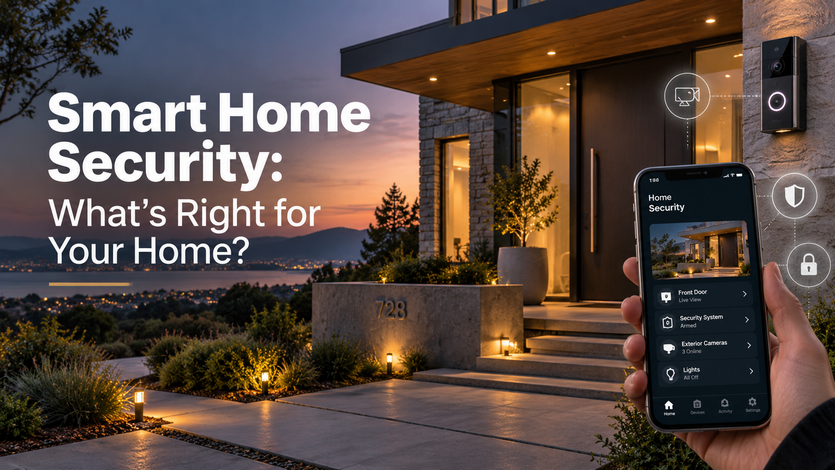
Some systems allow trusted family members to receive alerts for specific activity — a door left unlocked, unusual patterns like a refrigerator door not opening at a typical time, or simply confirmation that daily routines (lights, doors) are following a normal pattern. This is not medical monitoring or a substitute for in-person care, but it can flag noticeable changes in routine that might otherwise go unnoticed from a distance.